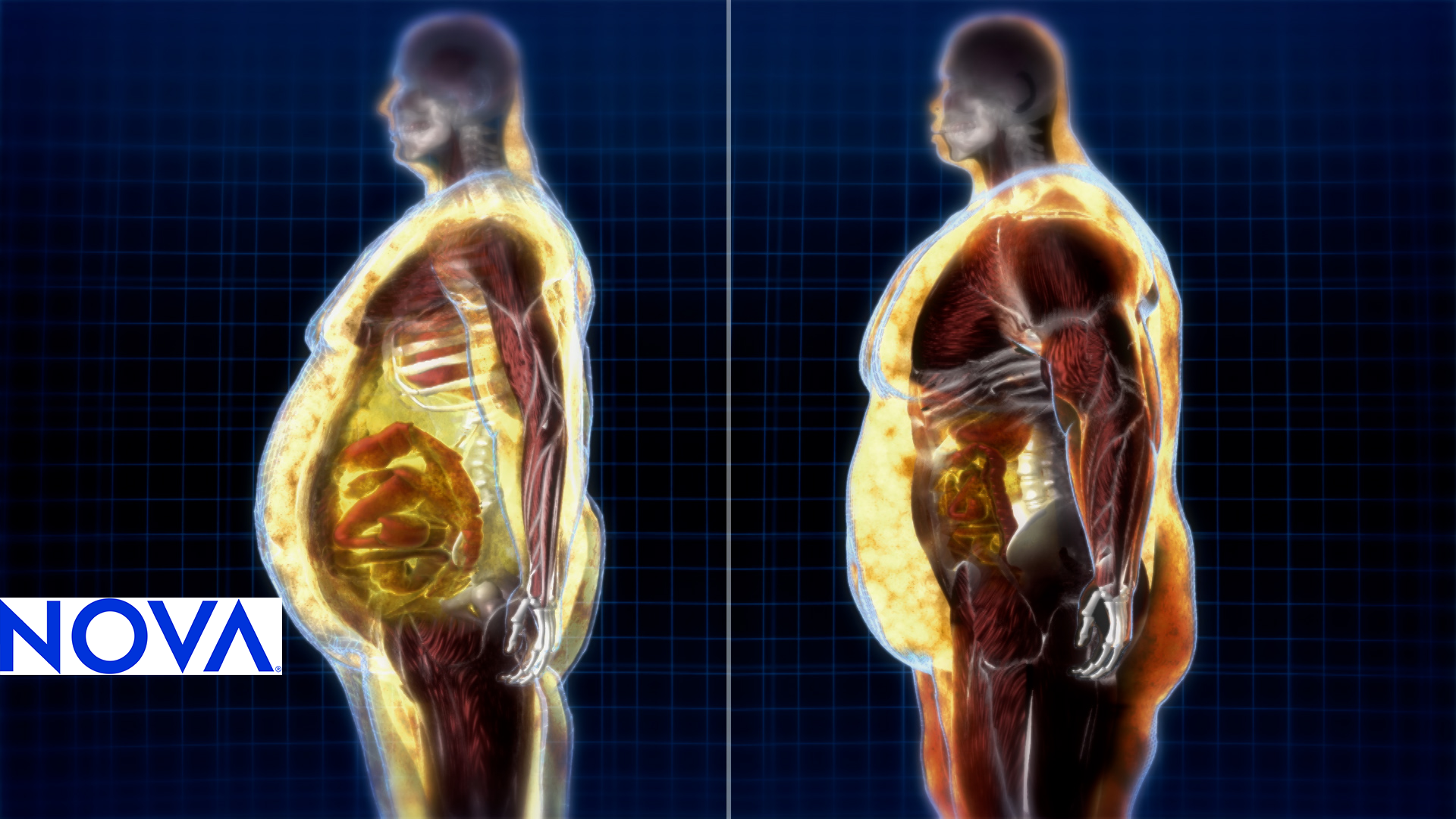
Do Fat Cells Expand And Burst With Fast Weight Gain?
Do Fat Cells Increase The Size Of And Rupture With Rapid Weight Gain? Cells do not use the power from oxidation reactions as soon as it is released. Instead, they transform it right into small, energy-rich molecules such as ATP and nicotinamide adenine dinucleotide (NADH), which can be utilized throughout the cell to power metabolic rate and build brand-new cellular parts. In addition, workhorse proteins called enzymes utilize this chemical power to militarize, or speed up, chemical reactions within the cell that would certainly otherwise proceed really gradually. Enzymes do not force a response to proceed if it would not do so without the driver; rather, they merely decrease the power barrier required for the reaction to start (Figure 4). Some researchers assume that your body has a set factor weight and your metabolic process, hormonal agents and brain will certainly adjust to maintain that weight. The glycerol created by lipolysis gives carbon for gluconeogenesis in the liver. FFAs are transported in the blood bound to albumin and are either oxidized in cells by a process called beta-oxidation or converted to ketone bodies. The results of beta-oxidation, ATP, and NADH, advertise gluconeogenesis.
Get Ready For Your Fat Burning Trip
Fat cells shrink when you slim down, creating much less leptin, which suggests that you do not feel as complete. While many individuals successfully maintain healthy weights through an equilibrium of nutrition and task, fat burning can be essential for the 73.6 % of adults in the united state that are overweight or that cope with excessive weight. However, fat burning-- particularly severe weight loss-- is more complex than eating fewer calories than you burn.
Exactly how to deceive your body into burning stored fat?
Function
Adrenaline release during exercise, specifically HIIT (High Strength Interval Training), therefore boosts the breakdown of fat stores and is an efficient method of decreasing body fat percentage. Accordingly, fats are necessary both as a fuel resource for exercising muscle mass and as an energy shop for times of requirement (e.g. throughout fasting). In order to offer a cell with energy, these particles need to pass across the cell membrane, which works as an obstacle-- but not a blockaded one. Like the exterior wall surfaces of a home, the plasma membrane layer is semi-permeable. Metabolic settlement isn't the only manner in which your body's can avoid weight-loss or motivate weight gain. One course of enzyme in charge of this response is called ACSL (lengthy chain fatty acyl-CoA ligase/ synthetase). On top of that, both plant and animal cells save energy by shunting sugar right into fat synthesis pathways. One gram of fat consists of nearly six times the power of the exact same amount of glycogen, however the energy from fat is less readily offered than that from glycogen. Still, each storage space system is important since cells require both fast and lasting power depots. Fats are saved in beads in the cytoplasm; adipose cells are specialized for this kind of storage since they include uncommonly huge fat beads. Humans generally keep sufficient fat to provide their cells with a number of weeks' worth of power (Number 7). Research study suggests that variants of your ACSL5 genetics influence the degrees and task of your ACSL5 enzyme. This, in turn, affects exactly how effectively your cells can use fats for energy. When fatty acids have been exchanged fatty acyl-CoA and delivered into mitochondria, they can after that be made use of to create ATP-- our cells' power money. The process of carrying fatty acyl-CoA throughout the mitochondrial membranes is helped with by numerous transport proteins. Some of these transporter proteins (e.g. CPT1 and CTPII) make use of an amino acid called carnitine.
Your ACSL5 gene encodes the ACSL5 (long chain fatty acyl-coA synthetase family member 5) enzyme.
Jordan Stachel, M.S., RDN, CPT is most satisfied when directing others in the direction of making step-by-step, lasting changes that amount to large outcomes with time.
Throughout malnourishment (after fasting has actually lasted for about 3 or even more days), the mind makes use of ketone bodies for energy.
Researchers at Columbia College and the University of Florida establish an approach to identify and visualize sphingolipids in diseased mind sections with high sensitivity and very little handling.
Cells harness the power of this proton gradient to develop three additional ATP molecules for every electron that follows the chain. On the whole, the mix of the citric acid cycle and oxidative phosphorylation yields much more energy than fermentation - 15 times as much energy per sugar molecule! White adipose tissue is the most plentiful type, appearing throughout your body as subcutaneous fat, visceral fat and bone marrow fat. When we are fasting, exercising or exposed to cool, our white fat, or WAT, generates power via lipolysis, a process that damages down lipids. Including further intricacy to fat's role in weight management are beige fat cells. These cells occur within white fat depots under particular problems-- such as cool direct exposure or certain hormonal signals-- and gets some of the heat-producing residential properties of brown fat. This procedure, commonly called browning, exposes that adipose tissue is remarkably versatile. When white adipose cells increase in a healthy, adaptable means, they safeguard the body. Activation of adipocyte lipolysis led to a significant surge in product lipids, mainly fatty https://la-lipo.co.uk/ acids, and ceramide varieties. Additionally, triglyceride pool in serum and liver evaluation revealed that linoleate is bountiful. Linoleic acid is a vital polyunsaturated fatty acid that is a forerunner for prostaglandins, leukotrienes and thromboxane. The outcomes recommend that hepatocytes save making use of linoleic acid for synthesis of these potent signaling molecules and store linoleic acid in molecular types such as triglycerides. As fat cells continue to store more fat over time, they start to expand in size. Fat cells, additionally known as adipocytes, are been experts cells made to store energy in the kind of triglycerides. Too much fat storage space leads to obesity, but burning too much fat can trigger severe loss of weight and muscle mass. This last condition, called losing disorder or cachexia, prevails in people with cancer, making it that much harder to eliminate the disease. In addition to eating triglycerides from food, we additionally have plenty of shops of triglycerides in our fat or fat.