Preventing Perimenopause Bladder Troubles
Menopause And Urinary Incontinence: Reasons And Therapies
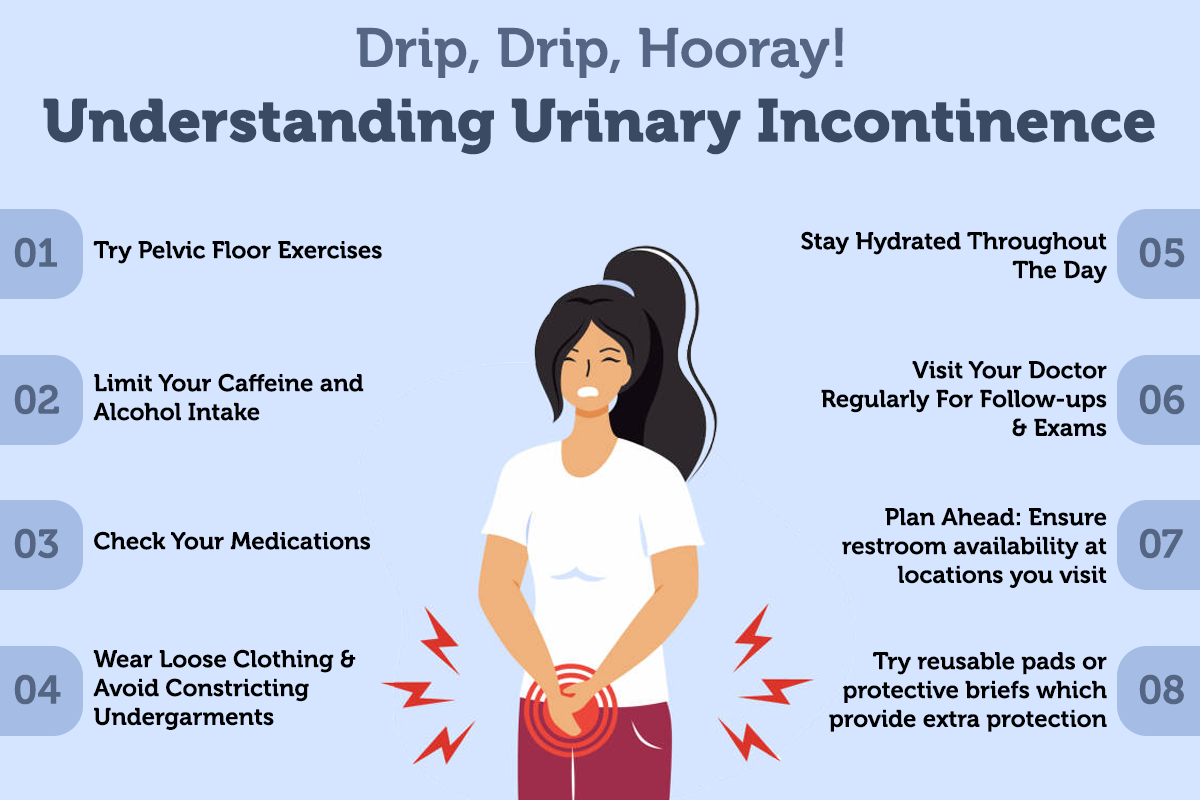
Many ladies additionally take advantage of using helpful incontinence products to remain comfy and positive throughout everyday activities. Pads, linings, protective underclothing, and other urinary incontinence products can help take care of leakage while women go after therapy and sign management methods. Before menopause, estrogen helps shield the lining of the vaginal canal and promotes vaginal secretions, offering the genital wall surfaces flexibility and stamina.Is Urinary System Incontinence In Ladies Common?
Actually, according to specialists, it can impact up to 50% of grown-up ladies and 75% of ladies over 65. Nonetheless, just because it's common does not suggest it can not be treated, so it's important to see your medical professional if you start experiencing symptoms. The average age of menopause, officially marked by 12 successive months without a menstruation period, in the U.S. is 51. Whether it's dripping with a sneeze or really feeling a sudden, immediate need to go, urinary system incontinence can catch you off-guard and definitely influence your daily life. Urinary incontinence can occur at any kind of age, and while you may discover it during menopause as hormone degrees change and pelvic flooring support compromises, menopause itself isn't taken into consideration a direct reason. Kegel exercises, additionally called Kegels or pelvic flooring Urinary incontinence muscular tissue training, are exercises for your pelvic floor muscle mass to help stop or reduce tension urinary system incontinence.Should I Consume Alcohol Much Less Water Or Various Other Liquids If I Have Urinary System Incontinence?

In many cases, our Westover Hills Women's Wellness team may recommend HRT to ease menopause signs, including incontinence. This might be suitable if you're experiencing other signs and symptoms of menopause such as warm flashes, evening sweats, and mood swings. The occurrence of UI among post-menopausal women varied from 13.6% [11] to 84.4% [10], with an overall prevalence of 5394 (63.1%). An electronic database search was done to determine pertinent English-language academic articles examining the effect of menopause on UI. The data sources queried consisted of PubMed, Web of Science, SCOPUS, and Scientific Research Direct.
Many troubles with bladder control while pregnant go away after giving birth when the muscular tissues have actually had some time to recover. For urinary incontinence, Dr. Perez utilizes da Vinci surgical treatment to fix and restore damaged pelvic floor tissue, developing a solid assistance for your bladder and other pelvic body organs. Nearly fifty percent of all ladies experience symptoms of urinary incontinence at some time throughout their lives, keeping that portion raising as soon as a female is in menopause.Females Can Experience Various Sorts Of Incontinence As Their Body Experiences Change:
- We'll stroll you via explanations and what you can do to boost total urinary system wellness.
- Aeroflow advises consulting your doctor if you are experiencing medical issues connecting to urinary incontinence.
- Browsing with menopausal signs can really feel overwhelming, particularly when it seems like obstacles stand in the means of getting the treatment you need.
- Researches show that approximately 1/3 of males and females in the U.S. experience urinary incontinence, making it a far more common issue than lots of people realize.
- Gradually, the bladder sheds tone and it comes to be tougher to empty the bladder completely.
Any kind of inconsistencies or arguments were resolved via consensus and scholarly deliberation. An impartial evaluation device was created to review the prospective risk of bias in the consisted of study. The effect of UI throughout menopause extends much beyond the physical signs and symptoms. Numerous females report sensations of embarrassment, anxiousness, and social seclusion related to their condition. These mental effects can result in reduced self-worth and hesitation to participate in social or physical activities.